Best Hair Treatments for Frizzy and Dry Hair
admin
October 6, 2026
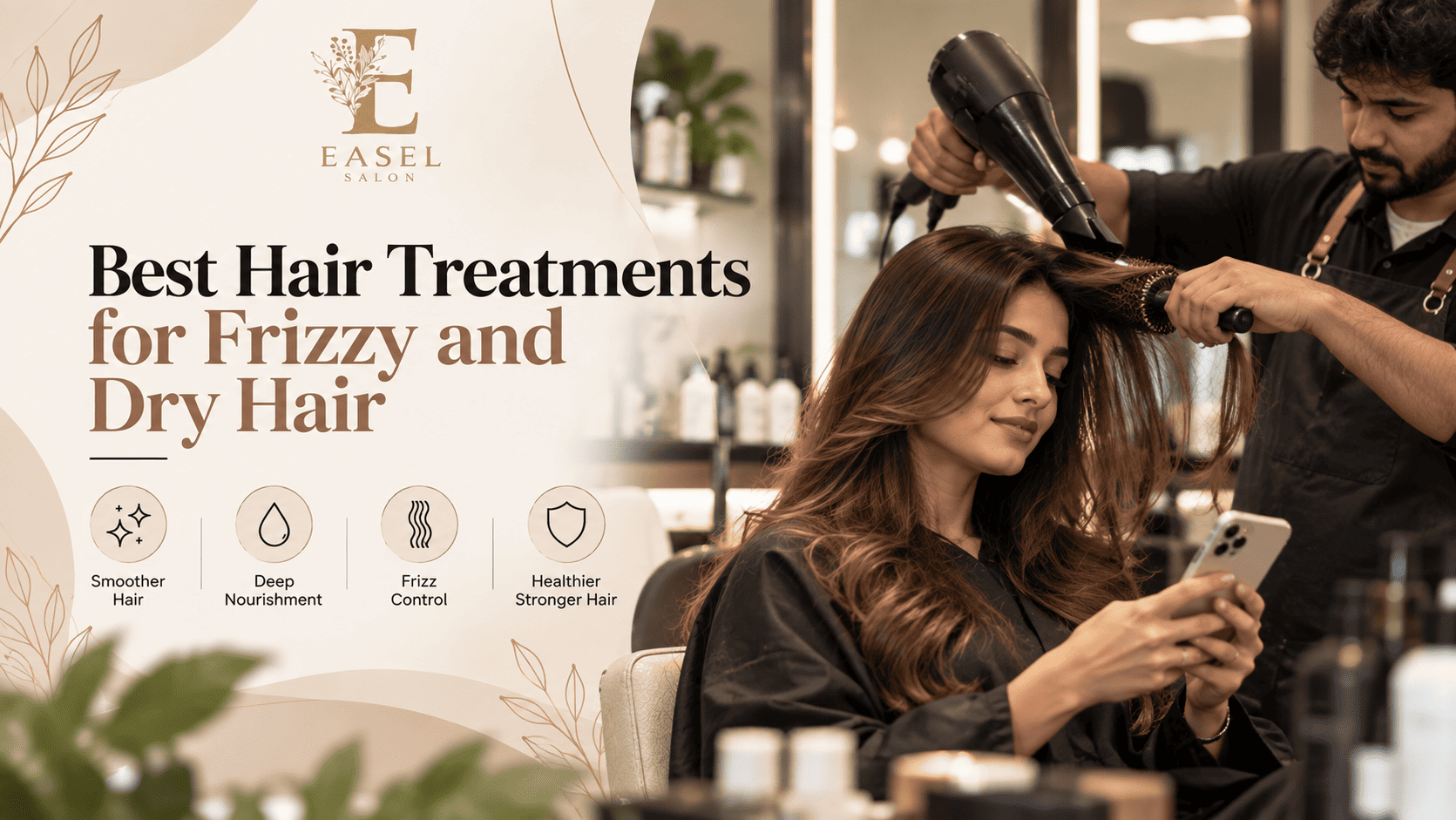
Dry, frizzy hair can be difficult to manage, especially when it feels rough, looks dull or becomes difficult to style. Humidity, heat styling, colouring, chemical treatments, pollution and improper hair care can all contribute to dryness and frizz. While shampoos and conditioners can help with everyday maintenance, sometimes your hair needs more targeted professional care.
Choosing the right dry hair treatment salon can make a significant difference because not every treatment is suitable for every hair type. A professional stylist can examine your hair’s texture, dryness, damage and previous treatments before recommending an appropriate solution.
From nourishing hair treatments and hair spas to Hair Botox, Nanoplastia, keratin and smoothing treatments, there are several options for improving the look and manageability of dry and frizzy hair.
Why Does Hair Become Dry, Frizzy and Damaged?
Before choosing a treatment, it is important to understand why your hair may be dry or frizzy in the first place.
Frequent heat styling is one of the common causes of dryness. Regular use of straighteners, curling irons and blow dryers can affect the hair’s moisture and make it feel rough over time. Chemical services such as colouring, bleaching and repeated smoothing treatments can also contribute to dryness when the hair is not properly maintained.
Environmental factors can play a role too. Humidity can make hair appear more frizzy, while sun exposure and pollution can affect the overall appearance and texture of the hair.
Your everyday routine also matters. Washing your hair too frequently, using unsuitable products, skipping conditioner or brushing the hair roughly can contribute to breakage and frizz.
If your hair continues to feel dry despite following a regular home-care routine, professional salon treatments for damaged hair may be worth considering.
Salon Hair Treatments for Damaged Hair
There are several salon hair treatments for damaged hair, and the right choice depends on the condition of your hair and the result you want.
A professional stylist may recommend a nourishing hair spa or conditioning treatment when the main concern is dryness and lack of softness. If frizz and manageability are bigger concerns, treatments such as Hair Botox, keratin or other smoothing services may be considered.
Nanoplastia is another option that people explore when they want smoother and more manageable-looking hair.
Some commonly considered professional treatments include:
- Deep conditioning treatments
- Hair spa and nourishing treatments
- Hair Botox
- Nanoplastia
- Keratin treatments
- Hair smoothening
- Professional repair and hydration treatments
It is important not to choose a treatment simply because it is popular. Your hair’s current condition, previous chemical services and desired result should all be considered before making a decision.
Hair Treatment for Dry Hair at a Salon: What Works Best?
A hair treatment for dry hair salon service should focus on the specific reason your hair feels dry rather than treating every type of hair in the same way.
If your hair is mildly dry, a nourishing or deep-conditioning treatment may help improve softness and manageability. If your hair is also extremely frizzy and difficult to style, a smoothing-focused treatment may be more appropriate.
For hair that has been exposed to frequent colouring, bleaching or heat styling, your stylist may recommend a professional treatment designed around its existing condition.
The desired result also matters. Someone who wants softer and more hydrated hair may not need the same treatment as someone looking for longer-lasting frizz control.
A consultation before the service can help you understand what your hair needs and what type of result you can realistically expect.
Hair Treatment for Dry, Frizzy Hair at a Salon
When dryness and frizz occur together, choosing a hair treatment for dry frizzy hair salon service requires consideration of both concerns.
Frizzy hair can be caused by dryness, humidity, damage or the natural texture of your hair. Therefore, simply trying to make the hair completely straight may not always be the best approach.
Hair Botox for Dry and Frizzy Hair
Hair Botox is a treatment that many people consider when their primary concerns are dryness, rough texture and frizz. It is often associated with making hair appear smoother, softer and more manageable.
If you are considering Hair Botox, you can also read our existing guide, What Is Hair Botox? Benefits, Process and Aftercare, to understand the treatment in more detail.
The suitability of Hair Botox depends on the condition and type of your hair, so professional consultation is recommended before booking.
Nanoplastia for Smoother Hair
Nanoplastia is another professional hair treatment that people consider when they want smoother and more manageable-looking hair.
The treatment may be particularly interesting to people dealing with persistent frizz and difficult-to-manage hair. However, previous chemical treatments, hair texture and the desired finish should be considered before choosing it.
For more information, you can refer to Nanoplastia Hair Treatment Near Me: What to Know Before Booking.
Keratin and Smoothing Treatments
Keratin and smoothing treatments are also commonly considered for people who want to reduce frizz and make their hair easier to style.
The best choice depends on the individual’s hair type and expectations. A professional stylist can explain the differences between available treatments and help determine which option is more appropriate.
Hair Treatment for Damaged Hair at a Salon: How to Choose
Finding the right hair treatment for damaged hair at salon starts with understanding your hair rather than choosing a service based only on its popularity.
1. Assess the Level of Damage
Slightly dry hair and severely damaged hair require different approaches. If your hair breaks easily, feels extremely rough or has been heavily chemically treated, tell your stylist before beginning another treatment.
2. Consider Your Desired Result
Think about what you actually want from the treatment.
Are you mainly looking for:
- Better moisture and softness?
- Reduced frizz?
- Easier styling?
- A smoother appearance?
- Improved manageability?
- A healthier-looking finish?
Your answer can help your stylist recommend a more suitable service.
3. Mention Previous Chemical Treatments
Always tell your stylist about previous colouring, bleaching, keratin, smoothening or other chemical services.
This information can help the stylist understand how your hair may respond to another professional treatment.
4. Consider Your Lifestyle
Your daily routine can also influence your choice. If you frequently use heat styling or have limited time for hair maintenance, a treatment focused on manageability may be more practical.
How to Maintain Hair After a Professional Treatment
Getting a professional treatment is only one part of maintaining smoother and healthier-looking hair. Your aftercare routine can have a significant impact on how your hair looks and feels.
Use hair-care products that are appropriate for your hair type and follow the specific recommendations provided by your stylist.
Avoid excessive heat styling whenever possible. When you use a straightener, curling iron or blow dryer, use a suitable heat protectant.
Regular conditioning can also help maintain softness. Avoid rough towel drying and aggressive brushing, particularly when your hair is wet.
Your stylist may also recommend specific products or a maintenance schedule depending on the treatment you receive.
How Often Should You Get a Hair Treatment?
There is no universal schedule for professional hair treatments.
The ideal frequency depends on factors such as:
- Your hair type
- Level of dryness
- Existing damage
- Previous chemical treatments
- The specific treatment performed
- Your home-care routine
Some nourishing treatments may be used as part of regular hair maintenance, while treatments designed for longer-lasting smoothing may have different maintenance requirements.
Instead of booking treatments too frequently, speak with your stylist about a schedule that suits your individual hair condition.
Hair Treatments for Different Hair Concerns
Different hair concerns can require different approaches.
For Dry Hair
If dryness is your primary concern, focus on treatments that support moisture, softness and manageability. Nourishing treatments and professional hair spas may be suitable depending on your hair condition.
For Frizzy Hair
If humidity and frizz are your biggest concerns, smoothing-focused treatments may be worth discussing with your stylist.
For Damaged Hair
When hair has been affected by colouring, bleaching or excessive heat, the priority should be assessing the level of damage before choosing another chemical treatment.
For Difficult-to-Manage Hair
If styling takes too much time because your hair is rough or difficult to control, treatments such as Hair Botox, Nanoplastia, keratin or smoothing may be discussed depending on your hair’s condition.
How to Choose the Right Dry Hair Treatment Salon
Choosing a dry hair treatment salon should involve more than simply comparing treatment names or prices.
Look for a salon where the stylist takes time to understand your hair, asks about previous treatments and explains what you can realistically expect from the service.
A good consultation should cover your current hair condition, desired result, maintenance routine and any previous chemical treatments.
This approach can help you avoid choosing a treatment that may not be suitable for your hair.
For people in Thane looking for professional hair-care services, Easel Salon can be considered as an option for discussing your specific hair concerns and treatment requirements with a professional stylist.
Conclusion
Dry, frizzy and damaged hair can have different causes, which means there is no single treatment that works for everyone. The right solution depends on your hair texture, level of dryness, previous chemical treatments and the result you want to achieve.
Professional options such as nourishing treatments, Hair Botox, Nanoplastia, keratin and smoothing services can be considered for different hair concerns. However, selecting a treatment based on your individual hair condition is more important than simply following a trend.
If you are searching for a dry hair treatment salon, start with a professional consultation. Understanding what your hair actually needs can help you choose a suitable treatment and maintain better-looking results with the right aftercare routine.
With professional guidance and consistent home care, dry and frizzy hair can become easier to manage, softer to the touch and more polished in appearance.
Final Thoughts
Final ThoughtsChoosing the right treatment for dry, frizzy or damaged hair is not about selecting the most popular salon service. Every hair type has different needs, and factors such as previous colouring, chemical treatments, heat styling, hair texture and the level of damage should be considered before choosing a treatment.Professional options such as hair spa treatments, Hair Botox, Nanoplastia, keratin and smoothing treatments can help address different hair concerns. The key is to understand what your hair actually needs and choose a treatment accordingly.
Frequently Asked Questions
1. What is the best treatment for dry and frizzy hair?
The best treatment depends on your hair type, condition and desired result. Nourishing treatments, Hair Botox, Nanoplastia, keratin and smoothing treatments may be considered for different types of dryness and frizz.
2. Can salon treatments help damaged hair?
Professional treatments can improve the appearance, softness and manageability of damaged hair. However, severely damaged hair may also require trimming, reduced heat exposure and a consistent home-care routine.
3. How often should I get a professional treatment for dry hair?
The ideal frequency depends on your hair condition and the specific treatment. Your stylist can recommend a suitable maintenance schedule after assessing your hair.